.svg)

The Art of Space: Designing with Intention, Not Clutter
Whitespace — the space around and between elements — is where clarity lives. It’s what allows a design to breathe, giving each element meaning and weight. Many assume whitespace is “empty,” but it’s one of the most active parts of good design. It sets rhythm, directs attention, and communicates confidence.
“Whitespace isn’t absence — it’s purpose.”
Why Space Matters
Every design choice sends a message. Overcrowded layouts feel rushed; balanced ones feel considered. When there’s room around text and imagery, your audience feels at ease. Their eyes rest naturally where you want them to. Whitespace also signals confidence. Brands that use it show they value clarity over noise. They trust their message enough not to shout.
Less, Done Better
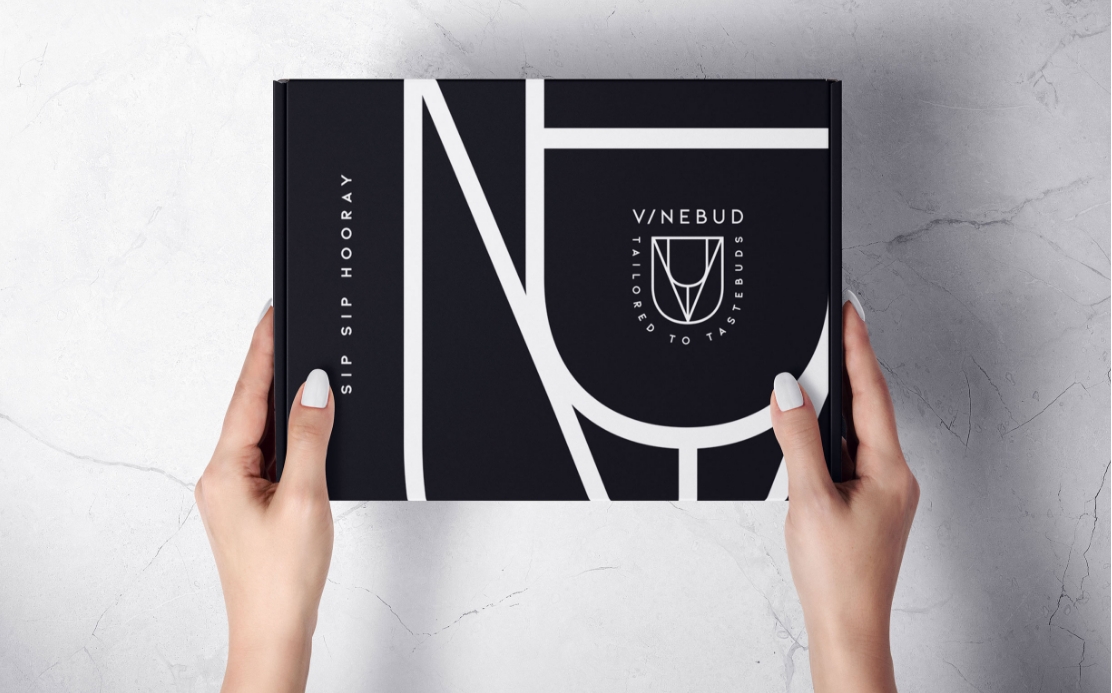
Think of a beautifully set table: everything has its place, and nothing fights for attention. Good layout design works the same way. In print, generous margins and calm typography create a sense of refinement. Online, clear spacing and predictable rhythm make navigation effortless. Whitespace helps your audience absorb information. It makes content approachable. It allows hierarchy to emerge naturally, guiding users from headline to detail without confusion.
“Good design doesn’t fill space — it creates it.”
How I Use Whitespace at Bare Studio
When I design, I start by removing what’s not needed. Then I build structure around what’s left. Each gap, margin, and pause is intentional — supporting focus, not emptiness. Whitespace connects directly to your brand’s tone. A busy layout suggests urgency; a calm one communicates quality. It’s the visual equivalent of taking a deep breath. When design has space to breathe, it becomes timeless. People don’t just see it — they feel it.